

The Cost of Leaving a Commercial Building Vacant in Florida
A vacant commercial building in Ohio sits. A vacant commercial building in Florida deteriorates.
The difference is climate. Florida’s heat, humidity, and storm exposure don’t pause because a property is between tenants or working through foreclosure. They accelerate. And the financial damage they cause to an unmaintained building compounds faster than most owners, lenders, or investors expect.
If you’re holding a vacant or distressed commercial property in Florida, the question isn’t whether deterioration is happening. It’s how far it’s already gone.
The first few months set the trajectory
Most commercial property insurance policies include a vacancy clause that can activate within weeks of a building going unoccupied. Once that clause kicks in, coverage for common risks like vandalism, water damage, and theft may be excluded or significantly reduced. The specific terms vary by policy, but the general pattern is the same: the property becomes harder to insure at the exact moment it becomes more vulnerable.
Meanwhile, Florida’s environment is working against the building on multiple fronts:
- Humidity drives mold growth in enclosed, unconditioned spaces. Without climate control running, interior moisture levels climb fast, especially in summer months. Drywall, ceiling tiles, and insulation absorb that moisture and begin to break down.
- Plumbing systems that sit unused develop problems. Traps dry out, seals degrade, and stagnant water in lines can create conditions for corrosion.
- Exterior surfaces take UV and rain damage without anyone noticing or responding. Sealants around windows, doors, and roof penetrations wear down. A small gap becomes a water intrusion point during the next storm.
- Landscaping overgrowth signals vacancy, which can invite vandalism, trespassing, and code enforcement attention.
None of this requires a catastrophic event. It’s just what happens when a building sits empty in this climate without someone checking on it.
Code enforcement doesn’t wait
Many Florida municipalities actively enforce property maintenance codes on commercial buildings, whether occupied or not. Depending on the county, vacant properties may need to be registered, inspected on a regular schedule, and maintained to specific standards. Violations can lead to fines, contractor-performed abatement billed to the owner, or liens placed against the property.
For lenders and receivers managing distressed assets from out of state, this creates a blind spot. The property may not be generating income, but it’s generating obligations. Fines accrue. Liens compound. And by the time the asset is ready to sell, the compliance history has become part of the problem.
The resale math changes fast
A vacant commercial property that’s been actively maintained tells a different story to buyers than one that hasn’t.
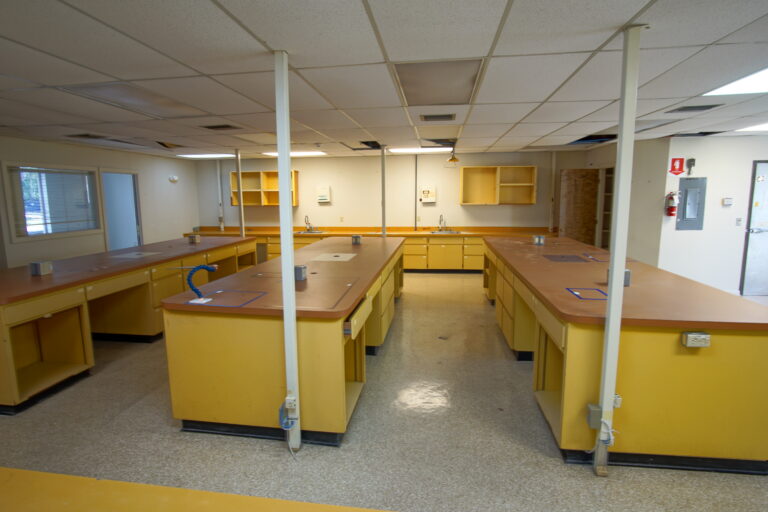
The maintained building shows current condition reports, documented inspection history, and evidence that systems were preserved during the vacancy period. The unmaintained building shows deferred damage, unknown system status, and a buyer’s due diligence process that gets longer and more expensive with every discovery.
That gap affects appraisal value, buyer confidence, and time on market. For asset managers working through a portfolio of distressed properties, the difference between a building that’s show-ready and one that needs remediation before it can even be marketed can add months to a disposition timeline.
The broader market context makes this more relevant right now. A Forvis Mazars analysis from early 2026 noted that a significant volume of commercial real estate loans are maturing this year, with a meaningful share considered distressed. That means more properties cycling through vacancy, receivership, and disposition over the coming months. The ones that retain the most value through that process will be the ones someone was maintaining.
What property preservation actually covers
Property preservation isn’t a single service. It’s a maintenance program designed around a building that isn’t occupied but still needs to function as an asset.
For IMS, that means working with lenders, receivers, investors, and realtors who need a single provider to handle the full scope of what a vacant commercial property requires:
- Regular inspections and condition reporting
- Cleaning, debris removal, and exterior upkeep
- Repairs to address damage before it compounds (plumbing, drywall, lighting, signage)
- Preventative maintenance to protect building systems during the vacancy period
- Upkeep that helps maintain code compliance
- Preparing the property for showing and sale when the time comes
The goal is to hand the next owner or tenant a building that’s been cared for, not one that’s been ignored. That distinction supports faster disposition, cleaner transactions, and better sale outcomes.
Why mid-summer is the wrong time for a gap
Florida’s hurricane season runs June through November, but tropical activity historically peaks from mid-August through mid-October. A building that enters peak storm season without anyone monitoring its exterior envelope, drainage, or overall condition is a building that will absorb whatever damage comes and sit with it until someone eventually walks through the door.
Summer heat puts additional stress on every exterior surface, seal, and system. If the building’s HVAC hasn’t been running, interior conditions during the hottest months can push humidity levels into the range where mold growth and material degradation speed up.
The owners who avoid the worst outcomes are the ones who had someone on the property before storm season started, not after it ended.
The short version
A vacant commercial building in Florida doesn’t hold steady. It moves in one of two directions: toward deterioration or toward preservation. The difference is whether someone is maintaining it.
IMS provides property preservation services across Florida for lenders, receivers, investors, and realtors managing distressed or vacant commercial assets. From cleanup and repairs to ongoing maintenance and show-ready preparation, the work is about protecting the value that’s still there.
If you’re holding a vacant property and no one has been on-site recently, that’s the place to start.